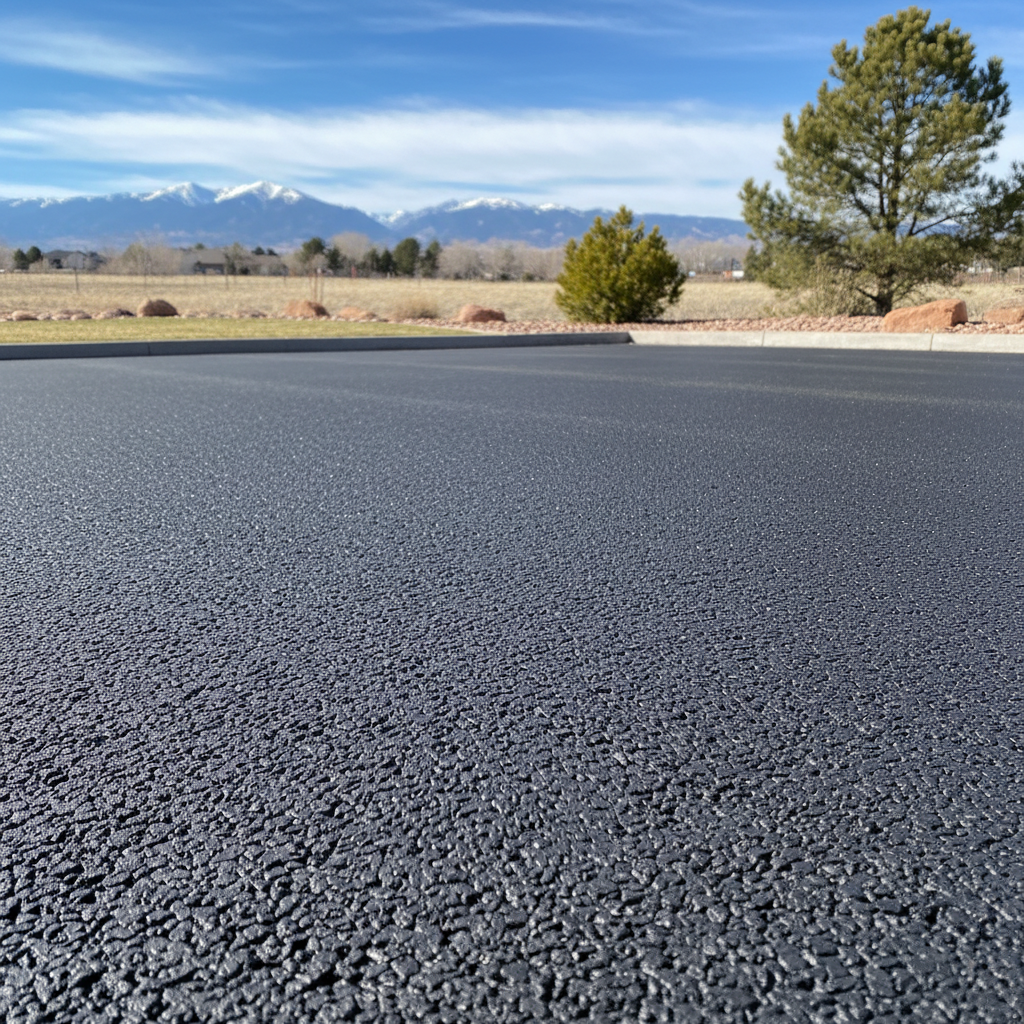
Is commercial asphalt different from what's used on my home driveway?
Yeah, it absolutely is. When we're talking commercial asphalt, we're generally looking at something designed for a lot more abuse. Think about a parking lot versus your personal driveway. A parking lot sees hundreds, maybe thousands, of vehicles a day – everything from light cars to heavy delivery trucks. That means the asphalt mix itself is often denser, with a higher percentage of aggregate (the rocks and sand) and a thicker binder. We also lay it down in thicker layers, sometimes two or three times as thick as a residential driveway, to handle the increased weight and traffic volume. It's built to last under much tougher conditions.
What's the typical lifespan of a commercial asphalt parking lot here in Westminster?
That's a good question, and it really depends on a few things. If it's installed right, and you keep up with regular maintenance – things like sealcoating every few years and patching cracks as they appear – you can expect a commercial lot to last 15 to 25 years, easy. But if you neglect it, or if it was poorly installed to begin with, that number drops fast. Heavy truck traffic, constant sun exposure like we get here in Colorado, and our freeze-thaw cycles in the winter can all shorten that life if you're not proactive. Good drainage is also key; standing water is a killer for asphalt.
How often should I sealcoat a commercial parking lot?
For commercial properties, I usually recommend sealcoating every 2 to 3 years. It's not just about making it look nice, though it does that too. Sealcoat is like sunscreen for your asphalt. It protects against UV rays, which can dry out the binder and make the asphalt brittle. It also helps repel water and prevents oil and gas spills from penetrating the surface. If you've got a high-traffic lot, or one that sees a lot of heavy vehicles, you might even want to consider it every two years. It's a small investment that pays off big time in extending the life of your pavement.
What's the deal with those cracks in my parking lot? Are they a big problem?
Cracks are the enemy, plain and simple. Small hairline cracks are normal as asphalt ages and moves, but if you let them go, they'll turn into bigger problems. Water gets into those cracks, freezes, expands, and then you've got potholes forming. We see a lot of this with our clay-rich soils around Westminster, which can shift and contribute to pavement stress. You want to get those cracks filled as soon as you see them. It's a relatively inexpensive fix that prevents much more costly repairs down the line. Think of it like a stitch in time – it really does save nine when it comes to asphalt.
I'm thinking about a new parking lot. What's the process like?
Okay, so a new parking lot is a pretty big project, but it's straightforward if you work with the right crew. First, we'll come out, take a look at your site, and figure out exactly what you need. We'll talk about drainage, traffic flow, and what kind of vehicles will be using it. Then, we've got to prepare the base. This is crucial – a good, stable base is the foundation for a long-lasting lot. We'll excavate, lay down and compact aggregate, and make sure everything's graded correctly for water runoff. After that, we'll lay down the asphalt in lifts, or layers, compacting each one. Finally, we'll stripe it according to code. It's a multi-step process, and each step has to be done right. That's where a company like Quantum Asphalt comes in; we don't cut corners.
What are the signs I need more than just a patch or sealcoat – maybe a full overlay or replacement?
You'll know. If you're seeing widespread alligator cracking – that's when the cracks look like alligator skin – or a lot of potholes popping up everywhere, you're probably beyond simple patching. If the asphalt is crumbling, or you've got significant depressions and areas where water always pools, those are also big red flags. Sometimes, if the base is still solid, we can do an overlay, which is essentially putting a new layer of asphalt on top of the old. But if the base is shot, or the pavement is just too far gone, then a full remove and replace is usually the most cost-effective long-term solution. We'll always give you an honest assessment of what makes the most sense for your property and your budget.
Do I need to worry about permits for commercial asphalt work in Westminster?
Yes, you absolutely do. For any significant commercial asphalt project – especially new construction or major reconstruction – you'll likely need to pull permits from the City of Westminster. This can include grading permits, sometimes even stormwater permits depending on the size and scope. It's not something you want to skip, because if you do, you could face fines or even be forced to tear out work. As your contractor, we can help you navigate that permitting process. We're familiar with the local regulations and can make sure everything is done by the book, saving you a headache down the road.