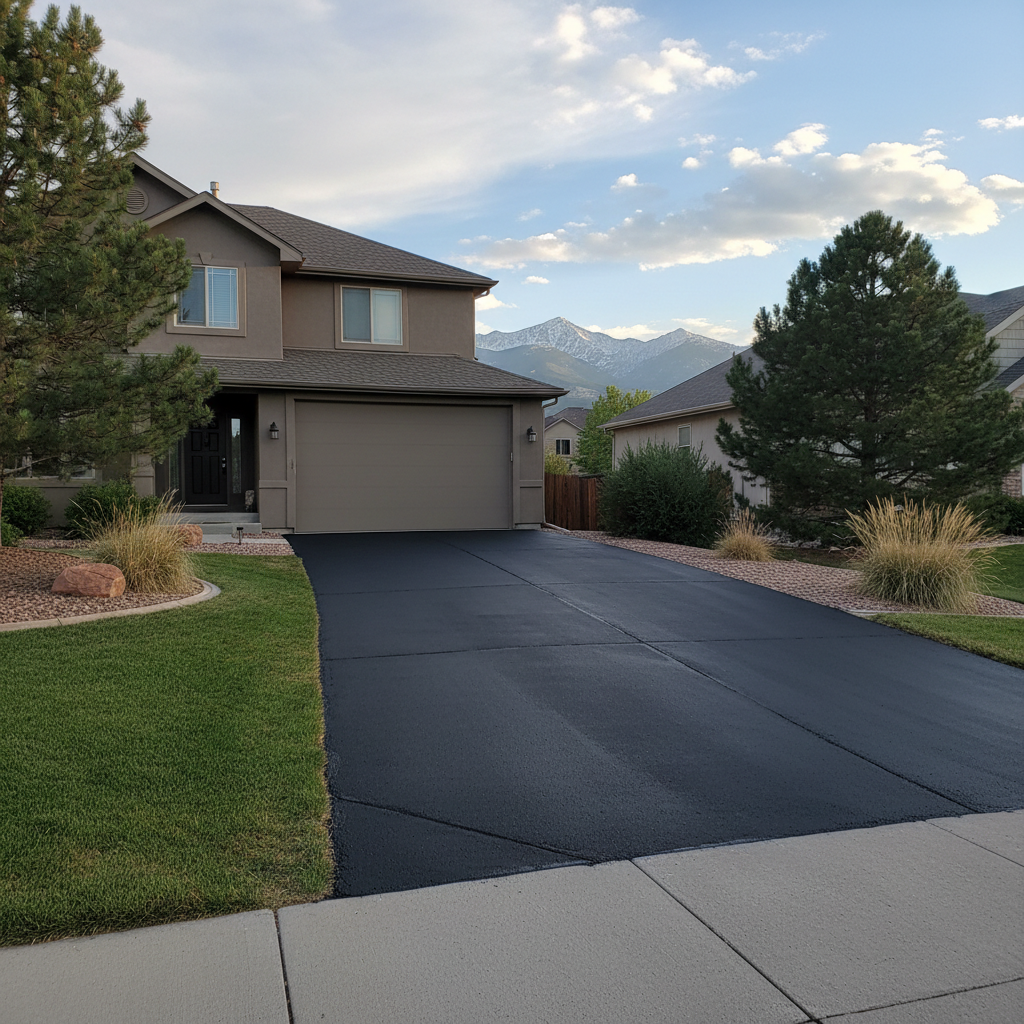
So, you just got your driveway sealcoated, or maybe you're thinking about it. Good call. Sealcoating is one of the best things you can do to protect your asphalt and make it last longer. But it's not a one-and-done magic bullet. Just like you wouldn't buy a new car and never change the oil, you can't just sealcoat and forget it. You've got to take care of it, especially with the crazy weather we get here in Westminster.
How to Get the Most Life Out of Your Sealcoat
The biggest thing is patience. After we lay down that fresh sealcoat, you absolutely have to let it cure. I tell folks, stay off it for at least 24 hours, but 48 is even better, especially if it's a cooler day or the humidity is high. You really don't want to drive or park on it too soon. That's how you get tire marks and scuffs that just don't go away.
Once it's cured, try to avoid sharp turns with your tires while the vehicle is stationary. That's called 'power steering scuffing,' and it can peel up the sealcoat, especially in the first few weeks. It's not a huge deal if it happens once, but repeated twisting can wear it down fast. Also, watch out for oil and gas spills. Sealcoat is designed to protect against that, but if you have a leak, clean it up quickly. Don't let it sit and soak.
Regular Maintenance: Simple Steps, Big Impact
Keeping your sealcoated driveway in top shape isn't rocket science. It's mostly about common sense and a little bit of effort. First off, keep it clean. Sweep off dirt, leaves, and other debris regularly. When those things break down, they can hold moisture against the asphalt, which isn't good. You don't need a pressure washer; a good broom or leaf blower does the trick.
We get some serious sun here, even in the winter. That UV radiation is brutal on asphalt. Sealcoat helps, but it still takes a beating. If you've got trees overhanging your driveway, that's a natural bonus, but otherwise, just keeping it clean and reapplying sealcoat every 2-3 years, depending on traffic and sun exposure, is key. Think of it like sunscreen for your driveway.
Another thing: water management. Make sure water isn't pooling anywhere on your driveway. If you see puddles forming after a rain or snowmelt, that's a sign of a drainage issue or a low spot that could become a bigger problem. Water is asphalt's worst enemy. It gets into tiny cracks, freezes, expands, and then you've got potholes. We see this a lot in older Westminster neighborhoods like the Ranch Reserve area, where driveways have seen a few decades of freeze-thaw cycles.
Warning Signs You Shouldn't Ignore
Your driveway will tell you when it needs attention. You just have to listen, or rather, look. If you start seeing the color fade from that nice deep black to a dull gray, that's a clear sign the sealcoat is wearing thin and the sun is getting to the asphalt underneath. That's usually the first indicator it's time to think about a fresh coat.
Cracks are another big one. Small, hairline cracks are normal over time. The sealcoat helps fill these, but if you start seeing them widen, or new ones appear that are more than a quarter-inch wide, you've got a problem. These need to be filled before you re-sealcoat, otherwise, the sealcoat will just bridge over them and they'll come right back, sometimes worse.
Potholes, of course, are a definite red flag. If you've got potholes, your sealcoat isn't doing its job anymore, and the underlying asphalt is failing. You need to address those immediately.
When to Call a Professional (Like Quantum Asphalt)
You can handle sweeping and cleaning, no problem. But when it comes to reapplying sealcoat, filling cracks, or repairing potholes, that's usually when you want to bring in the pros. We've got the right equipment, the right materials, and the experience to do it right. Trying to DIY a crack repair with the wrong stuff can sometimes make it worse or just not last.
If you're seeing extensive cracking, multiple potholes, or large areas of your sealcoat are peeling or flaking off, it's definitely time to call us. We can assess the situation and recommend the best course of action, whether it's just a fresh coat of sealcoat, some targeted crack filling, or if it's time for a more significant repair. Don't wait until a small problem turns into a major, expensive headache. A little proactive maintenance goes a long way in saving you money down the road.