Your asphalt driveway or parking lot is showing some wear, maybe a pothole or a spiderweb of cracks. You're probably wondering what your options are. As someone who's been fixing asphalt around Westminster for years, I get a lot of the same questions. Let's dig into them.
1. When is patching the right choice versus a full replacement?
This is probably the most common question I hear. Look, patching is great for isolated damage. Think potholes, small areas of alligator cracking, or sections where the asphalt has just started to crumble. If 25% or less of your pavement has significant damage, patching can extend its life significantly and save you a lot of money compared to a full tear-out and replacement. But if your entire driveway looks like a jigsaw puzzle, or if the base layer underneath is failing in multiple spots, you're probably just throwing good money after bad with patches. We'll always give you an honest assessment – sometimes a full replacement is the more economical long-term solution, even if it hurts the wallet upfront.
2. What kind of patching methods do you use?
We've got a few tools in the toolbox, depending on the damage. For smaller, isolated potholes, we often use a 'cut and patch' method. That means we cut out the damaged section, clean it thoroughly, apply a tack coat, and then fill it with new hot asphalt, compacting it down tight. For larger areas of cracking, sometimes a 'skin patch' or 'surface patch' can work, where we clean and apply a layer of new asphalt over the damaged area. This is more of a temporary fix, though, if the underlying issue isn't resolved. For deeper, more structural issues, we might need to go deeper with a 'full-depth' repair, which involves removing the asphalt and some of the base material, then rebuilding it. The goal is always to match the surrounding pavement as closely as possible for a seamless repair.
3. How long does an asphalt patch last in our Westminster climate?
That's a tough one to give a single number for because it depends on the method, the quality of the original asphalt, and how well it's maintained afterward. But generally, a well-done cut-and-patch repair using hot asphalt should last several years – easily 5 to 10, sometimes more. Our freeze-thaw cycles here in Westminster, especially with the heavy clay soils we often see in areas like Standley Lake, are brutal on asphalt. Water gets into those tiny cracks, freezes, expands, and then thaws, creating bigger cracks and potholes. That's why getting patches done quickly and properly is so important. If you just throw cold patch in a hole, it's a very temporary fix, and you'll be doing it again next season.
4. Can I patch it myself, or should I call a pro?
You can definitely buy cold patch at the hardware store and fill a small pothole yourself. For a quick, temporary fix, it's fine. But here's the deal: cold patch doesn't bond as well, it's not as durable, and it won't compact as tightly as hot asphalt applied with professional equipment. You'll likely see that cold patch break down or pop out much faster, especially with heavy traffic or our fluctuating Colorado temperatures. For a repair that lasts and looks good, you really want a professional with hot asphalt, proper compaction tools, and the experience to prep the area right. It's an investment in the longevity of your pavement.
5. How much does asphalt patching usually cost?
Costs vary a lot based on the size and depth of the damage, the type of patching method required, and how accessible the area is. It's really hard to give a ballpark without seeing it. A small pothole might be a few hundred bucks, while a larger section of extensive damage could run into the thousands. What I can tell you is that getting a few quotes is smart. Make sure they're quoting for the same scope of work and materials. At Quantum Asphalt, we'll always come out, assess the damage, and give you a clear, written estimate so there are no surprises.
6. What should I do after the patch is installed?
Once we've done the patching, give it some time to cure. We'll let you know the exact timeframe, but generally, try to keep heavy vehicles off it for at least 24-48 hours. After that, it's pretty durable. The best thing you can do for your entire driveway, including the new patches, is to keep it clean and consider sealcoating it every few years. Sealcoating protects the asphalt from UV rays, water penetration, and oxidation, which are all big enemies of pavement. It helps blend the patch in too, making the whole surface look more uniform.
7. My patch looks a little different than the rest of my driveway. Is that normal?
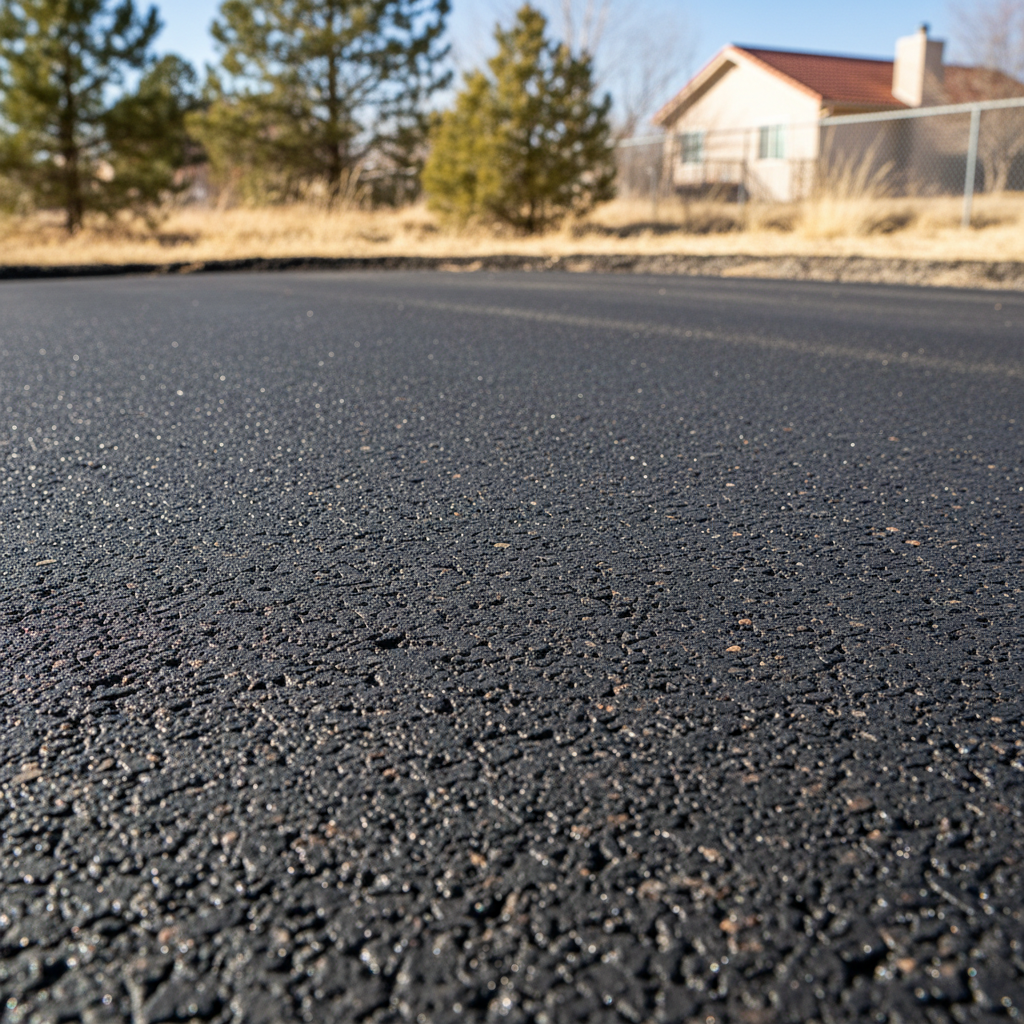
Yeah, it's pretty common for a fresh patch to look a bit different. New asphalt is darker and has a slightly different texture than older, weathered asphalt. Over time, with sun exposure and traffic, the patch will start to fade and blend in more with the surrounding pavement. Sealcoating can help even out the color difference significantly. Don't worry, it's not a sign of a bad job; it's just the nature of new material next to old.