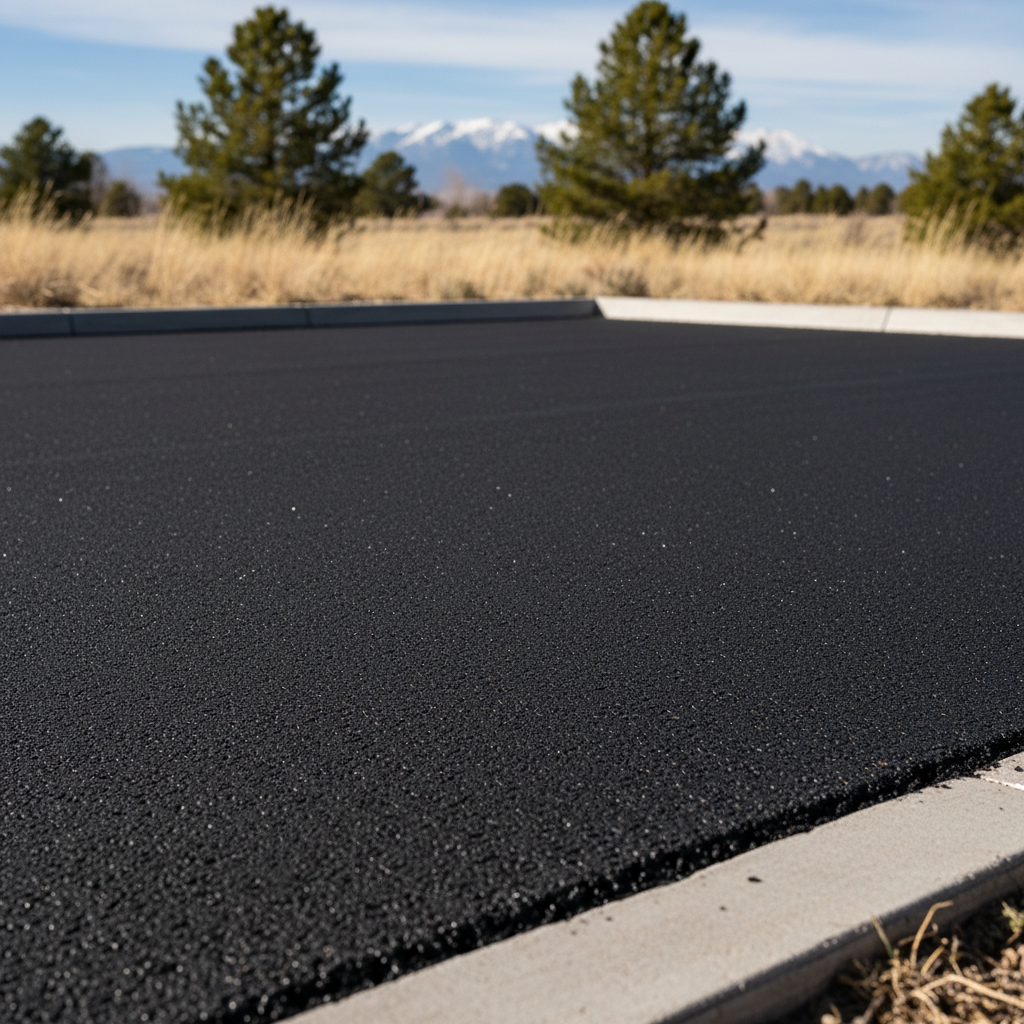
Got a big property in Westminster? Maybe you're out in the Legacy Ridge area, or you've got some acreage where a standard driveway just doesn't cut it. You're looking at a parking lot, not just a driveway, and that brings up a whole different set of questions. I hear 'em all the time, so let's tackle the big ones you're probably asking.
Do I really need a 'parking lot' or can I just extend my driveway?
That's a good question, and it really comes down to use and scale. If you're just adding a spot or two for family cars, an extended driveway might be fine. But if you're talking about parking multiple vehicles regularly, maybe you've got an RV, a boat, or you host a lot of gatherings, then you're probably looking at a parking lot. The difference isn't just size; it's also about how it's designed to handle traffic flow, drainage, and the weight of multiple parked vehicles over time. A parking lot is built for heavier, more consistent use than a typical residential driveway extension. It's about making sure the base and asphalt thickness can handle that kind of load without breaking down prematurely.
What's the typical lifespan of a residential asphalt parking lot here in Westminster?
You're looking at a good 15-20 years, sometimes more, if it's installed right and you keep up with the maintenance. That's a big 'if,' though. Here in Westminster, we deal with some pretty wild temperature swings – hot summers, freezing winters, and that freeze-thaw cycle is brutal on asphalt. Good drainage is key, and so is a solid base. If water sits on it, or if you skip sealcoating, you'll see that lifespan drop fast. Think of it like your car; you wouldn't expect it to last without oil changes. Same goes for your asphalt. Regular sealcoating every 2-3 years and quick repairs for any cracks or potholes will push you to the higher end of that range.
What kind of base do you use for a residential parking lot, and why does it matter?
The base is everything. Seriously, it's the foundation, and without a good one, your asphalt won't last. For residential parking lots, I typically recommend a minimum of 6-8 inches of compacted aggregate base, often crushed concrete or recycled asphalt pavement (RAP). Sometimes more, depending on the soil conditions and expected traffic. We've got some expansive clay soils around Westminster, especially in areas like the Ranch Reserve, and that stuff can move a lot with moisture changes. A thick, well-compacted base acts as a stable buffer between that shifting soil and your asphalt. It helps distribute the weight of vehicles evenly and prevents issues like cracking, rutting, and potholes from forming prematurely. Skimp on the base, and you're just asking for trouble down the road.
How thick should the asphalt be for a home parking lot?
For most residential parking lots, we're usually putting down 2-3 inches of compacted asphalt. That's after the base is prepped, of course. If you're planning on parking heavy equipment, big RVs, or commercial vehicles regularly, we might go with 3-4 inches. It's about finding that sweet spot between durability and cost. You don't want it too thin, or it'll crack and break up quickly, especially with our Colorado weather. But going excessively thick for a residential application might be overkill and just cost you more without a huge benefit. We'll assess your specific needs and recommend the right thickness for your project.
What about drainage? Is it really that big of a deal for a home parking lot?
Absolutely, it's a huge deal. Water is asphalt's worst enemy. If water sits on your parking lot, it'll seep into the surface, get into the base, and start undermining everything. When that water freezes in winter, it expands, pushing up the asphalt and causing cracks and potholes. That's called freeze-thaw damage, and it's a nightmare. We design parking lots with a slight slope, usually around 1-2%, to direct water away from the paved surface and into appropriate drainage areas, like swales, catch basins, or permeable landscaping. Proper grading and drainage design are non-negotiable if you want your parking lot to last. It's one of the first things I look at when I come out for an estimate for Quantum Asphalt.
Do I need a permit for a new parking lot on my property?
Most likely, yes. Any significant alteration to your property, especially something that changes drainage patterns or impervious surface area, usually requires a permit from the City of Westminster. This isn't just about bureaucracy; it's about making sure the work meets local codes for things like stormwater management, setbacks, and sometimes even landscaping requirements. You definitely don't want to skip this step, because getting caught without a permit can lead to fines or even having to tear out and redo the work. We can help guide you through the permitting process or at least point you in the right direction to get the ball rolling with the city.
What kind of maintenance will my asphalt parking lot need?
Maintenance is key to getting the full life out of your investment. Think of it as preventative medicine for your asphalt. Here's the rundown:
- Sealcoating: You'll want to sealcoat every 2-3 years. It protects the asphalt from UV rays, water, and chemicals, keeping it flexible and looking good.
- Crack Filling: As soon as you see cracks, get them filled. Don't wait. Cracks are entry points for water, and once water gets in, the damage accelerates.
- Pothole Repair: If a pothole pops up, get it patched quickly. They only get bigger and worse, and they're a tripping hazard.
- Cleaning: Keep it clean. Sweep off debris, leaves, and dirt regularly. Don't let oil or gas spills sit; clean them up promptly.
- Drainage Checks: Make sure your drainage system is clear and working. Clear out leaves or debris from catch basins or swales.
Stay on top of these things, and your parking lot will serve you well for decades. Neglect them, and you'll be calling me for major repairs a lot sooner than you'd like.