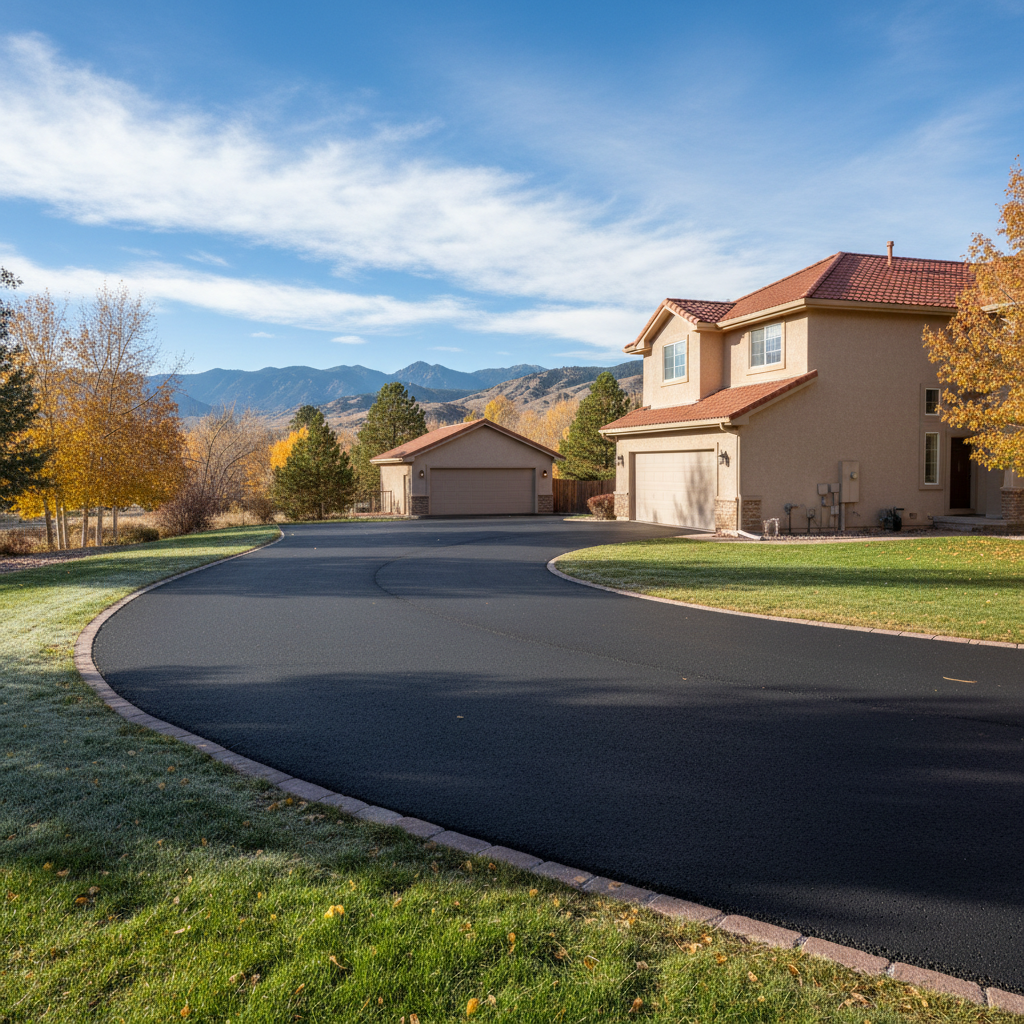
So, when's the best time to pave a parking lot here in Westminster? That's a question I get asked a lot, and it's a good one. You might think any sunny day works, but our Colorado climate makes things a bit more complicated. Getting the timing right really makes all the difference in how long your asphalt lasts and how much you'll spend on repairs later.
When to Schedule Your Paving Project in Westminster
For new parking lot paving or major overlays, spring and fall are usually your best bets. Why? It all comes down to temperature. Asphalt needs a certain range to cure correctly. When it's too hot, like those scorching July and August days we get, the asphalt can stay too soft for too long. That makes it prone to rutting and damage during compaction. It's like trying to walk on fresh tar, you know? Not good.
On the flip side, if it's too cold, the asphalt cools down way too fast before we can compact it properly. This leads to a weaker, more brittle surface that's going to crack and fail sooner than it should. Think of it like trying to mold clay when it's frozen solid – it just doesn't work. For us, that means staying away from the dead of winter, especially when the ground is frozen solid. We're looking for steady daytime temperatures, ideally between 50 and 80 degrees Fahrenheit, and nighttime lows that don't drop too far below freezing.
Here in Westminster, our spring can be a little unpredictable, with those late snowfalls or sudden warm spells. So, I generally lean towards late spring – May and early June – or early to mid-fall – September and October. These windows give us the best shot at stable, moderate temperatures. Plus, if you're thinking about sealcoating, you'll need at least 24 hours of dry weather with temperatures above 50 degrees, which is much easier to guarantee in those shoulder seasons.
Weather Conditions That Impact Asphalt Work
Beyond just temperature, other weather conditions play a huge role. Rain, for example, is a definite no-go for paving. Asphalt needs a dry surface to bond correctly. If there's moisture in the base layers or on the existing asphalt, it can cause adhesion issues and early failure. We're talking about potholes and cracks showing up way sooner than they should. So, if the forecast calls for a good chance of rain, we'll reschedule. It's always better to wait a few days than to lay down a parking lot that's doomed from the start.
Wind can also be a factor, especially on those blustery days we get blowing across the plains here. Strong winds can cool the asphalt mixture too quickly, making it harder to work with and compact effectively. It can also kick up dust and debris, which isn't great for a clean, smooth finish. Snow and ice, obviously, are out of the question for paving. The ground needs to be thawed and dry.
Humidity isn't usually as big a deal for paving itself, but it can affect how quickly sealcoats and line striping dry. If you're getting those services done, a dry, sunny day is always preferred.
Protecting Your Parking Lot Investment Year-Round
Once folks like us at Quantum Asphalt pave your parking lot, your job isn't over. You've got to protect that investment, especially with the abuse our Colorado weather dishes out. Here's what I tell all my clients:
- Drainage is Key: Make sure your drainage system works. Puddles that sit on your asphalt for long periods will eventually seep into the base, weakening it and leading to cracks and potholes. Clear out those storm drains and make sure water flows away from the surface.
- Sealcoating: This is your asphalt's sunscreen and rain jacket. A good sealcoat every 2-3 years protects the surface from UV rays, water penetration, and oxidation. It keeps the asphalt flexible and looking good. Don't skip it.
- Crack Sealing: See a crack? Seal it. Seriously, don't wait. A small crack is an open invitation for water to get into your base layers, freeze, expand, and turn into a huge pothole. Crack sealing is one of the cheapest and most effective preventative maintenance steps you can take.
- Prompt Repairs: Don't let small potholes or damaged areas fester. The longer you wait, the bigger and more expensive the repair will be. Patching early saves you money and extends the life of your entire parking lot.
- Sweeping and Cleaning: Keep your parking lot free of debris, dirt, and chemicals. These can degrade the asphalt over time. Regular sweeping also helps prevent weeds from taking root in cracks.
- Watch for Heavy Loads: If you have heavy trucks or equipment frequently using certain areas, make sure those sections were designed to handle the load. Overloading can cause premature rutting and structural damage.
Look, your parking lot is a big investment. Taking care of it year-round, and getting the paving done at the right time, will save you a lot of headaches and money in the long run. If you've got questions about your Westminster parking lot, just give us a call. We're always happy to talk shop.