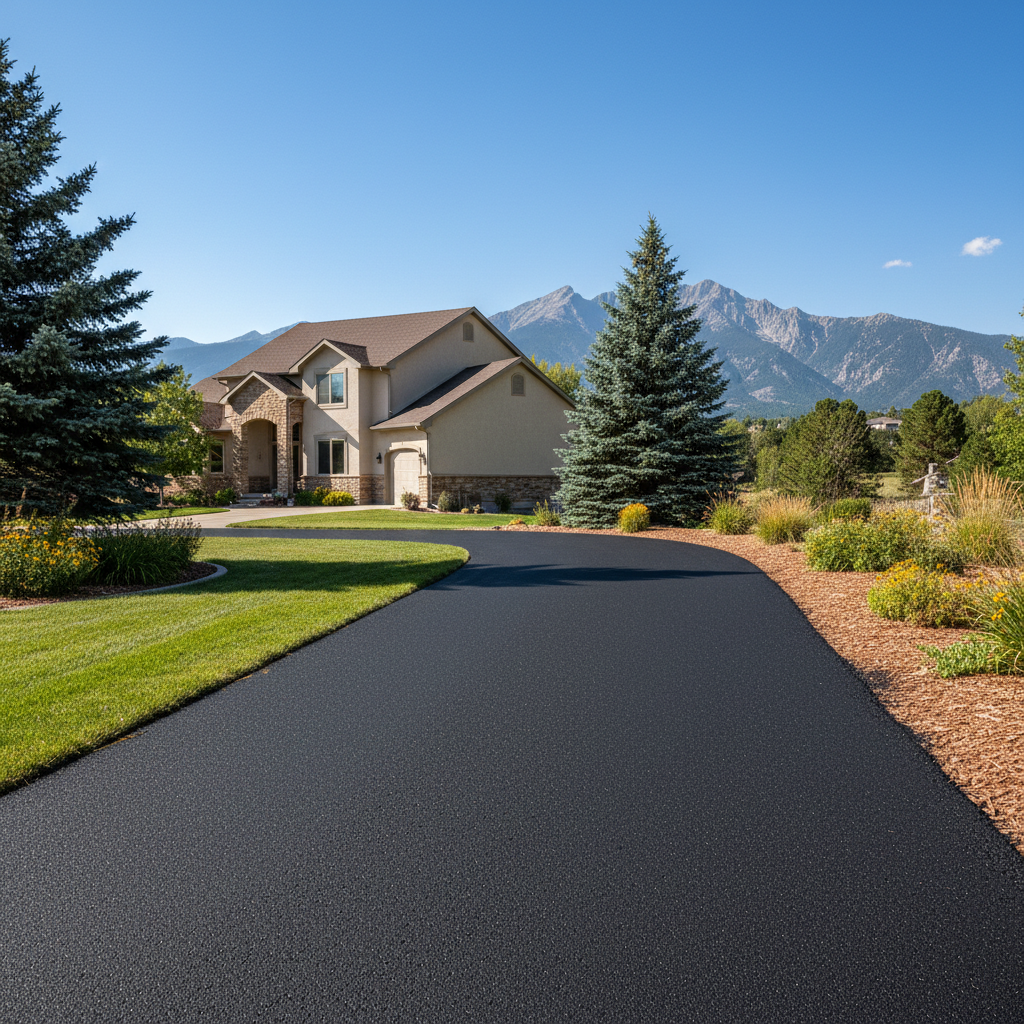
You've got an asphalt driveway, and you know it needs some love to last. Slurry sealing is a fantastic way to protect it, extend its life, and make it look sharp again. But here in Westminster, Colorado, you can't just pick any random day to get it done. Our unique climate means timing is absolutely critical.
When to Schedule Your Slurry Seal in Westminster
Forget about scheduling this work in the dead of winter or even early spring. I've seen too many folks try to push it, and it just doesn't work. Slurry seal needs consistent warm temperatures to cure properly. What does that mean for us?
- Late Spring to Early Fall is Prime Time: Think May through September, maybe even early October if we get a nice, extended warm spell. You want daytime temperatures consistently above 50°F, and ideally, overnight lows shouldn't dip much below that either. If it freezes overnight, the water in the slurry can crystalize before it cures, leading to a weak, crumbly finish. We're talking about a solid 24-48 hours of good, warm weather for the best cure.
- Avoid Monsoon Season: We get those afternoon thunderstorms, especially in July and August. You absolutely do not want rain on a freshly applied slurry seal. It washes away the material, ruins the finish, and basically means you've wasted your money. I'm always checking the forecast like a hawk before we start a job.
- Consider the Sun: Direct sunlight helps the curing process, but extreme heat can also be an issue. If it's scorching hot, like those 95°F+ days, the slurry can dry too fast on the surface, trapping moisture underneath. This can lead to bubbling or delamination later on. A nice, sunny day in the 70s or low 80s? That's perfect.
Weather Conditions That Affect the Work
Beyond just temperature, there are a few other weather factors we're always keeping an eye on:
- Humidity: High humidity slows down the drying and curing process significantly. Even if the temperature is right, a really humid day can mean your driveway takes much longer to be ready for traffic.
- Wind: A gentle breeze can be helpful for drying, but strong winds can cause problems. They can dry the surface too quickly, as I mentioned, or even blow dust and debris onto the wet seal, which you definitely don't want embedded in your new surface.
- Rain, obviously: Even a light drizzle can ruin a fresh slurry seal. If there's any chance of rain in the forecast, we'll reschedule. It's better to wait a few days than to have to redo the whole thing.
Here in Westminster, especially in neighborhoods like Ranch Reserve with those big, beautiful driveways, you want to make sure you're getting the most out of your investment. It's not just about applying the product; it's about applying it right, under the right conditions.
Protecting Your Investment Year-Round
Getting your slurry seal done at the right time is a huge step, but protecting it doesn't stop there. Here's what you can do:
- Give it Time to Cure: After we're done, you'll need to stay off that driveway. Typically, it's 24-48 hours for foot traffic and 48-72 hours for vehicles, depending on the specific product and weather conditions. Don't rush it! Driving on it too soon can leave tire marks or even pull up the fresh seal.
- Clean Regularly: Sweep off dirt, leaves, and debris. This prevents organic matter from breaking down on the surface and keeps your driveway looking tidy.
- Address Spills Immediately: Oil, gas, and other automotive fluids are asphalt's worst enemies. They break down the binder in the asphalt and the slurry seal. Clean them up as soon as you notice them.
- Watch for Cracks: Even with a slurry seal, cracks can still form over time, especially with our freeze-thaw cycles. If you see new cracks, get them filled promptly. Small cracks are easy and cheap to fix; ignored cracks become big, expensive problems. This is where Quantum Asphalt can really help you out, catching those issues early.
- Avoid Heavy Point Loads: Try not to park heavy equipment or RVs in the exact same spot for extended periods, especially in hot weather. The weight combined with heat can cause depressions.
- Repeat Every Few Years: Slurry seal isn't a one-and-done solution. To keep your driveway in top shape, plan on reapplying it every 3-5 years, depending on traffic, sun exposure, and how well you maintain it.
Taking care of your asphalt driveway is an ongoing process, but it's worth it. A well-maintained driveway boosts your home's curb appeal and saves you from much more expensive repairs down the road. Just remember, when it comes to slurry seal, patience and proper timing are your best friends.